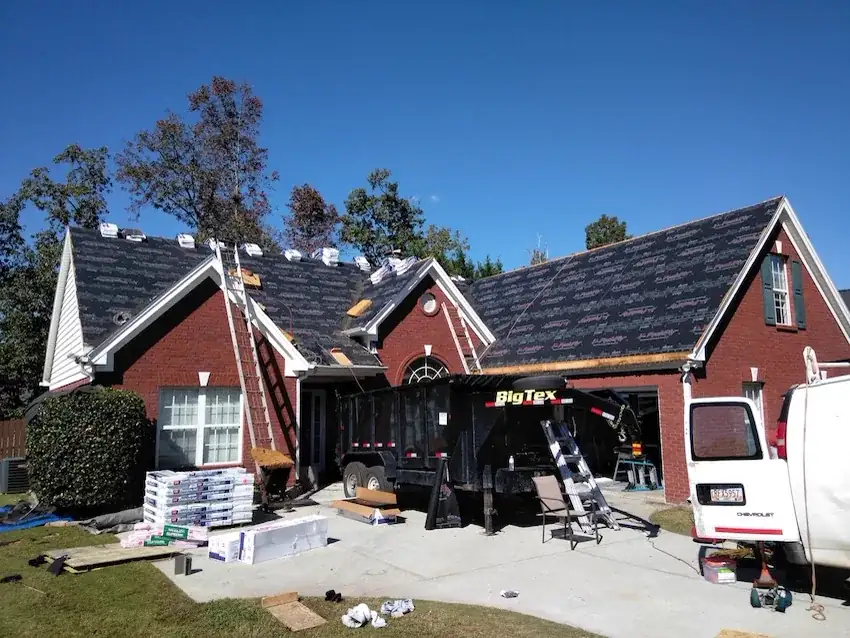
A small project with an outsized effect
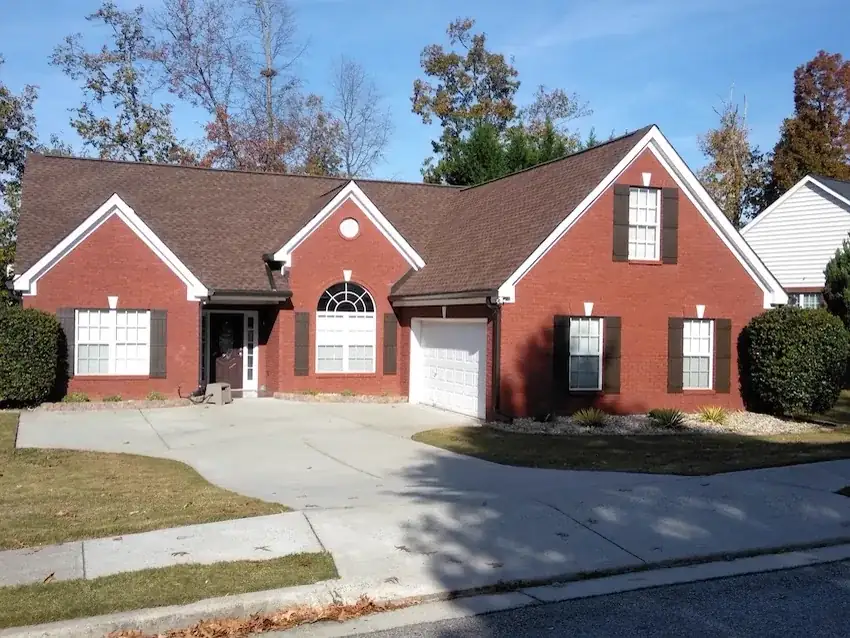
Patricia's house did not need siding. It needed definition. The exterior was in sound condition, the color was fine, and the roof had years left, but the elevations were bare. No shutters, a plain gable, and window openings with nothing framing them. The house read as unfinished, which is exactly the complaint she brought us.
This is one of our favorite kinds of project because the budget is modest and the change is immediate.
What we specified
We started at the street. Standing where a visitor or a buyer would stand, we identified the three elements the facade was missing: shutters sized correctly to the front windows, a gable accent to break up the largest blank surface, and coordinated accessory trim so the additions looked original rather than applied.
Shutter sizing was the critical decision. The rule we follow is that a pair of shutters should look like it could actually close over the window. Anything narrower reads as decoration stuck to a wall. We measured every front opening and specified widths accordingly, which meant two different sizes on the same elevation, and that is the correct answer even though a single size would have been simpler to order.
Installation
All accessories were mounted into structure, not just into siding, with spacers where needed so each piece sits flat against the lap profile instead of rocking on the high side of the board. Every fastener penetration through the wall plane was sealed. That sounds like a small detail on a shutter job, but a dozen unsealed holes on a wind-driven-rain elevation is a real water path.
The gable accent was installed with proper flashing at its top edge so it sheds rather than collects, and the color palette for shutters, accents and front door was selected together in daylight against the existing siding and roof.
What Patricia got
Roughly two days of work and an exterior that finally looks complete. Nothing structural changed, and that is the point: when the envelope is sound, accessory work is the highest-return exterior money a homeowner can spend, and it is dramatically cheaper when done in one coordinated visit rather than piecemeal over several years.
The details that make a house look finished
Shutters, gable vents, shake accents, window surrounds, columns and coordinated trim are the smallest line items on an exterior project and often the biggest visual return. They are what stops a clean re-side from looking flat, and they are what makes a modest ranch or a builder-grade two-story read as intentional instead of generic.
The mistake most homeowners see on other houses is proportion. Shutters that are too narrow for the window, vents that float in the middle of a gable, or trim that is too thin for the elevation all register as wrong even to someone who cannot say why. We size accessories to the opening and to the wall they sit on, and we mount them so the fasteners and the reveal look deliberate.
How we do it
- 1.Measure the openings, not the catalog. Shutter width and length are chosen against actual window dimensions so the pair looks like it could close.
- 2.Choose durable material. Polypropylene and composite accessories hold color and shrug off Georgia humidity better than wood, which needs repainting.
- 3.Mount into structure. Fasteners land where they hold, with the correct spacers so the piece sits flat against lap siding instead of rocking.
- 4.Flash and seal penetrations. Every hole through the wall plane is a potential leak, and it gets treated as one.
- 5.Coordinate the palette. Accessory color is selected with the siding, roof and front door together, in daylight, before anything is ordered.
- 6.Final walk. We look at the elevation from the street with the homeowner, because that is where it will be seen from.
What it costs and how long it takes
Accessory work is usually a one to two day add-on, and it is far cheaper as part of a siding or paint project than as a separate trip. Cost is driven by quantity, material grade and whether custom sizing is needed for arched or oversized openings.
How we work with homeowners
EZY Exteriors was founded by a craftsman, not a call center, and the way we run a job reflects that. Every estimate is free, and it is a real written scope rather than a number scribbled on a card. We tell you what we found, what we are replacing, what we are not touching and what the allowance is if we open a wall and discover more than the photos showed. Pricing is straight. There are no same-day discounts, no financing pressure and no scare tactics about your roof failing next week.
Our crews are vetted, experienced installers who do this work every day, and a project manager stays on the job so questions get answered by someone who has actually been on site. We document work in progress with photos, including the parts that get covered back up, so you know what you paid for.
We do not process insurance claims and we are not adjusters. What we will do is inspect, document what we find and give you a clear scope you can hand to your carrier if the damage is genuinely storm related. If it is normal wear, we will tell you that too.
Considering a similar shutters and exterior accessory project?
If you are in metro Atlanta and North Georgia and looking at a shutters and exterior accessory project on your own home, the fastest path is a free on-site estimate. We will walk the exterior with you, point out what is actually failing and what has life left, explain the material options in plain terms and put a written scope and price in your hands. There is no obligation and no follow-up pressure.
Photos of finished work like this one are the best way to judge a contractor, so browse our other projects, read our homeowner reviews, and then reach out when you are ready. We serve metro Atlanta and North Georgia and the surrounding communities, and we are happy to tell you when a repair is the smarter spend than a replacement.
Project photos